Why Recycled Polypropylene Plastic Pads Are the Ideal Choice for Modern Packaging and Protection
In today's global supply chains and industrial operations, the need for reliable, cost-effective, and environmentally responsible protective packaging has never been greater. One product that consistently meets this critical demand is the recycled polypropylene (PP) plastic pad. Often referred to as a layer pad, slip sheet, or divider pad, this simple yet ingeniously effective component plays a pivotal role in stabilizing and protecting goods during storage and transit. Crafted from durable corrugated plastic, these pads are specifically engineered to absorb shock, distribute weight evenly, and prevent surface damage. What truly sets the modern version apart is its composition—increasingly manufactured from 100% recycled PP material. This key feature transforms it from a mere utility item into a cornerstone of sustainable logistics, offering businesses a powerful way to enhance operational efficiency while demonstrably reducing their environmental footprint.
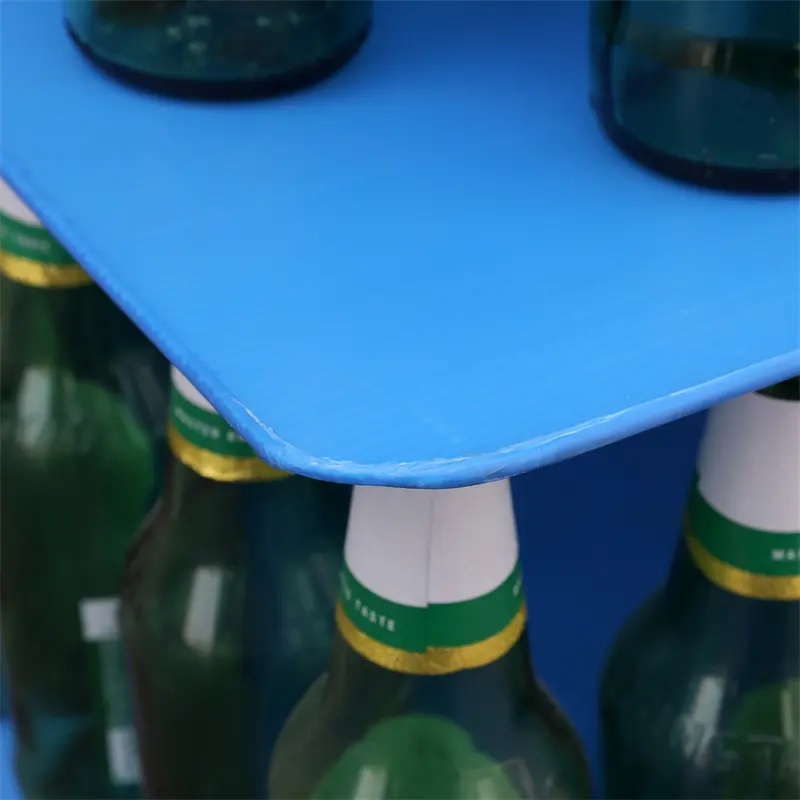
The primary and most immediate function of recycled PP plastic pads is to provide superior protection for valuable products. Placed between layers of goods on a pallet—such as boxes, bags, metal parts, glass panels, or furniture—they create a stable, non-slip barrier. This prevents items from shifting, rubbing against each other, or collapsing during the rigors of transportation, which includes forklift handling, truck vibrations, and stacking in warehouses. The corrugated fluted structure of the pad acts as a cushion, absorbing impacts and dispersing pressure points that could otherwise cause dents, scratches, or breakage. Unlike cardboard or paper dividers that can compress, tear, or lose integrity when exposed to moisture, polypropylene is inherently waterproof, resistant to oils and chemicals, and maintains its strength in humid conditions. This durability ensures that products arrive at their destination in the same pristine condition they left the factory, minimizing costly returns, warranty claims, and waste from damaged goods.
Beyond their protective role, recycled PP plastic pads deliver exceptional operational and economic advantages. Their lightweight nature is a significant benefit; they add minimal weight to a shipment compared to wooden spacers or heavier alternatives, which can lead to substantial savings on fuel and transportation costs over thousands of shipments. Their uniform thickness and consistent quality allow for perfect stacking, maximizing the use of vertical space in containers and storage facilities. This optimized cube utilization translates directly to lower storage and shipping costs per unit. Furthermore, their durability makes them inherently reusable. A single plastic pad can make dozens or even hundreds of trips through a closed-loop system before needing replacement, whereas single-use materials like cardboard must be continually repurchased and disposed of. This reusability creates a powerful cycle of cost reduction, slashing long-term expenditure on packaging materials and waste management.
The most compelling and contemporary benefit of these pads is their outstanding environmental profile, rooted in the use of recycled polypropylene. By utilizing post-consumer or post-industrial plastic waste as their raw material, these pads actively divert tons of plastic from landfills and oceans. This manufacturing process requires significantly less energy and water than producing virgin plastic, thereby conserving natural resources and reducing greenhouse gas emissions. When a pad reaches the end of its long service life after years of reuse, the material's journey does not end. The polypropylene is itself 100% recyclable, meaning it can be collected, processed, and remanufactured into new pads or other plastic products, supporting a genuine circular economy. For companies looking to meet corporate sustainability goals, comply with green regulations, and appeal to eco-conscious consumers and partners, integrating recycled PP plastic pads into their logistics is a clear, verifiable step toward a greener supply chain.
The versatility of recycled PP plastic pads is evident in their wide range of applications across diverse industries. In the food and beverage sector, their waterproof and easy-to-clean surface makes them ideal for separating layers of canned goods, bottles, or packaged foods. The manufacturing and automotive industries rely on them to protect delicate machine parts, sheet metal, and painted components. In agriculture, they are used to stabilize pallets of bagged fertilizer or seed. Retailers and distributors use them for storing and shipping non-food consumer goods. Their design can also be customized; they can be produced in any size or thickness to fit specific pallet dimensions or load requirements, and they can be easily cut on-site to accommodate irregular shapes. Some versions even incorporate anti-static properties for protecting sensitive electronics. This universal applicability makes them an indispensable, flexible tool for virtually any business that moves goods.
In conclusion, recycled polypropylene plastic pads represent the intelligent convergence of performance, economy, and ecological responsibility. They solve the fundamental logistics challenge of product protection with unwavering reliability, directly reducing costs through their lightweight, reusable, and space-optimizing design. By choosing pads made from recycled content, companies make a proactive investment in environmental stewardship, strengthening their brand and operational resilience in a world that increasingly values sustainability. These unassuming pads are far more than just pieces of plastic; they are key enablers of efficient, safe, and responsible commerce. For any business seeking to future-proof its supply chain, enhance its bottom line, and contribute positively to the planet, adopting recycled PP plastic pads is not just a smart packaging decision—it is a strategic business imperative for the modern era.


Comments
Post a Comment